
Cathedral Quarter Discovery Walk
Explore the heart of medieval Kilkenny on this guided walk through the Cathedral Quarter. Discover historic buildings, narrow lanes, and centuries of architectural heritage in Ireland's most intact medieval city.
What You'll Discover
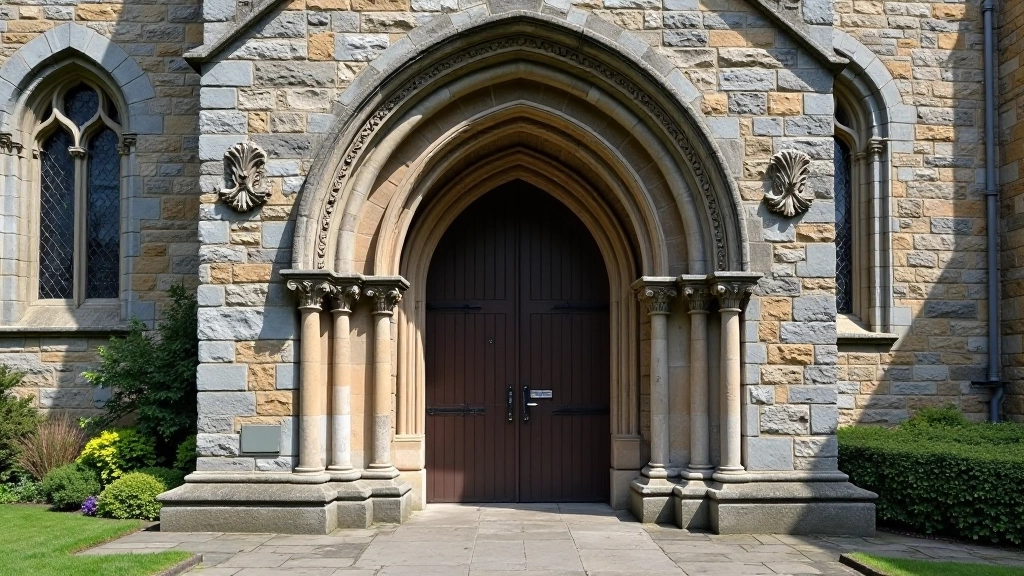
The Cathedral Quarter is where Kilkenny's medieval story really comes alive. You're walking through streets that haven't changed much in 500 years — narrow laneways, stone buildings with original windows, and spaces where merchants, monks, and townspeople once went about their daily lives. This walk isn't rushed. We're taking time to actually look at the details that make this area special.
You'll start near St. Canice's Cathedral, one of Ireland's finest medieval structures, then weave through interconnected lanes discovering hidden courtyards, period buildings, and viewpoints that show how the city was built. The walk covers roughly 1.5km and takes around 75 minutes at a comfortable pace with stops for details and photos.
Starting at St. Canice's Cathedral
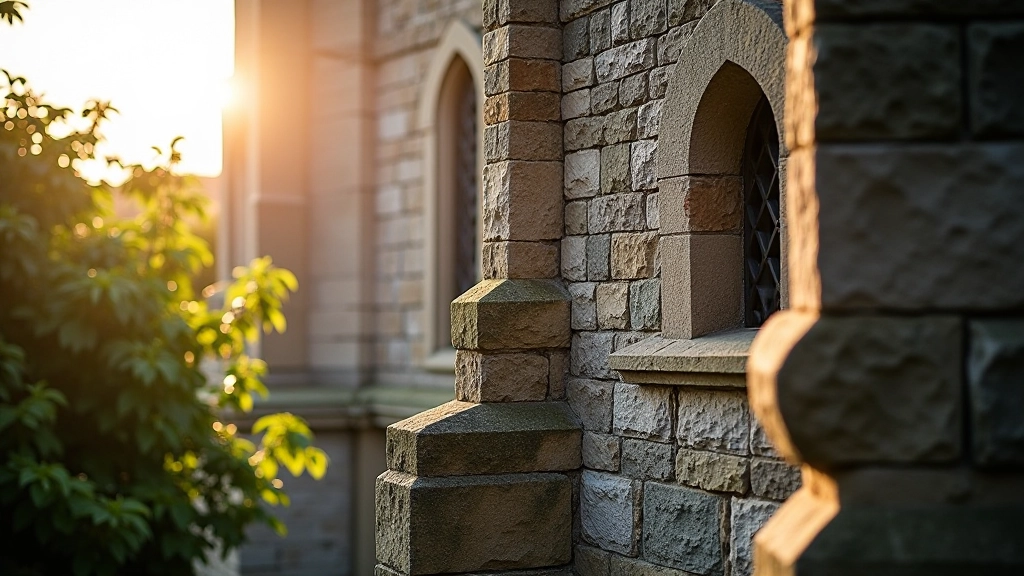
St. Canice's Cathedral dominates this corner of Kilkenny — it's been here since the 13th century and still stands as the visual anchor of the whole quarter. The cathedral isn't just impressive from a distance. When you get close, you notice the stone quality, the way windows are positioned, the strength of the walls. Medieval builders knew what they were doing.
The round tower beside the cathedral is even older — around 9th century. It's one of those structures that really makes the timeline click. You're standing next to something from over 1,000 years ago, and it's still standing solid. That's worth pausing for a moment.
- Notice the stonework details around doorways
- Look up at the tower — how it tapers toward the top
- Walk around to see different stone colors used in repairs
- Best light for photos: late afternoon from the southeast
The Hidden Laneways
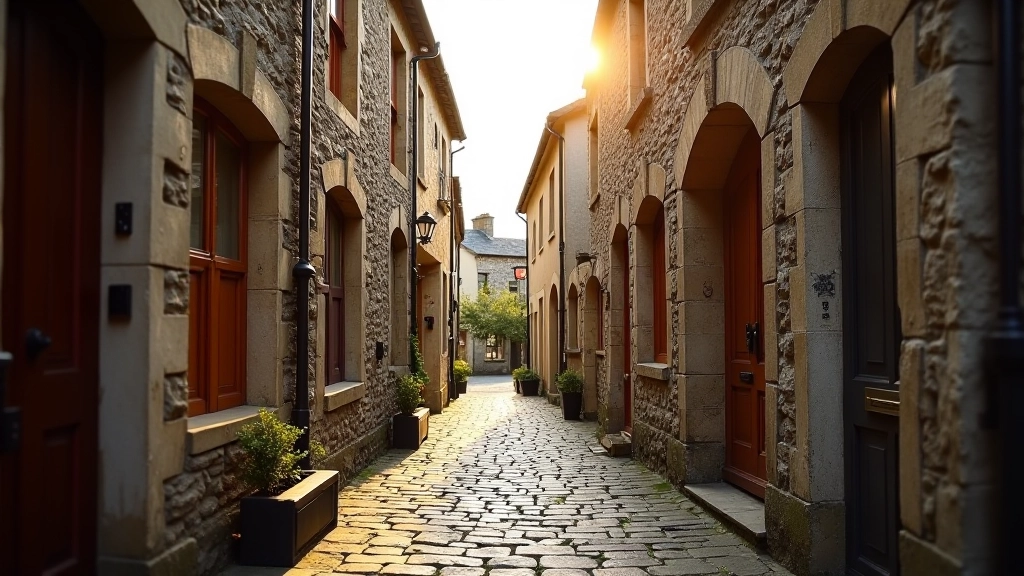
Once you move away from the cathedral, you're into a maze of narrow streets that don't follow modern grid patterns. These laneways developed organically — buildings were added, spaces were created between them, and over centuries they became the route system we see today. They're narrow by modern standards, but that's intentional. Narrow streets stay cooler, provide protection from weather, and made defense easier in medieval times.
Walking through them, you start noticing patterns. The buildings are mostly 4-5 stories tall, which was the standard for medieval merchants' homes. Ground floor for business, upper floors for living. Many still have their original stone window frames. Some buildings lean slightly — not because they're damaged, but because they've settled unevenly over 400+ years. That's not a problem; it's character.
Don't rush through. Stop in the middle of a lane and look around. Notice the different stone colors, the patches where repairs happened, the way light falls at different times of day. This is where the real experience happens.
Key Landmarks You'll See
Six significant stops along the walk, each with its own story and architectural interest
Rothe House
A Tudor merchant's house from 1594, complete with original courtyards and now a museum. The building shows how wealthy merchants lived — multiple rooms, proper windows, connections to back gardens and trading spaces.
Vicar Street
Named for the cathedral's vicar, this street maintains its medieval width and building heights. Original window frames survive on several buildings. It's one of the most authentic medieval streetscapes in the city.
Abbey Street Arch
A 15th-century stone archway connecting two buildings. Passages like this were common in medieval towns — they provided shortcuts and protected pedestrians from weather. The arch shows skilled medieval stonework.
The Market Cross Area
The heart of medieval commerce. The cross itself is a 16th-century reconstruction, but it marks the spot where merchants gathered for centuries. The surrounding buildings show typical merchant-class architecture.
Dunmore Street Stone
Look carefully at building corners on Dunmore Street — you'll find original medieval masonry marks from stonemasons. They're small carved symbols identifying individual craftspeople. Medieval "signatures" left in stone.
Irishtown Gateway Viewpoint
From this elevated spot, you can see how the cathedral quarter sits within the larger medieval city layout. The view shows the relationship between the religious quarter and the merchant quarter below.
Practical Details for Your Walk
The Cathedral Quarter walk works year-round. Summer gives you better light and longer daylight for photos. Winter is quieter but can be cold — bring a good jacket. Spring and autumn are ideal, honestly. Not too hot, not too cold, and the light is beautiful.
Wear comfortable walking shoes. The lanes are paved, but surfaces are uneven in places — it's been there 500+ years. Trainers or walking shoes work fine. Avoid heels or brand-new shoes you haven't broken in.
Bring water. There's no water available on the walk itself, though there are cafes nearby to stop at. If you're going in summer, definitely bring water. A camera or phone is useful — you'll want to capture details. A small notebook is nice if you like sketching or making notes.
Before You Go
- Comfortable walking shoes
- Water bottle or hydration plan
- Weather-appropriate jacket
- Camera or smartphone for photos
- Small notebook (optional but nice)
- Sunscreen in summer months
Making the Most of Your Visit
This walk rewards slow exploration. Don't treat it like a checklist. Here's how to actually experience it:
Take Your Time at Details
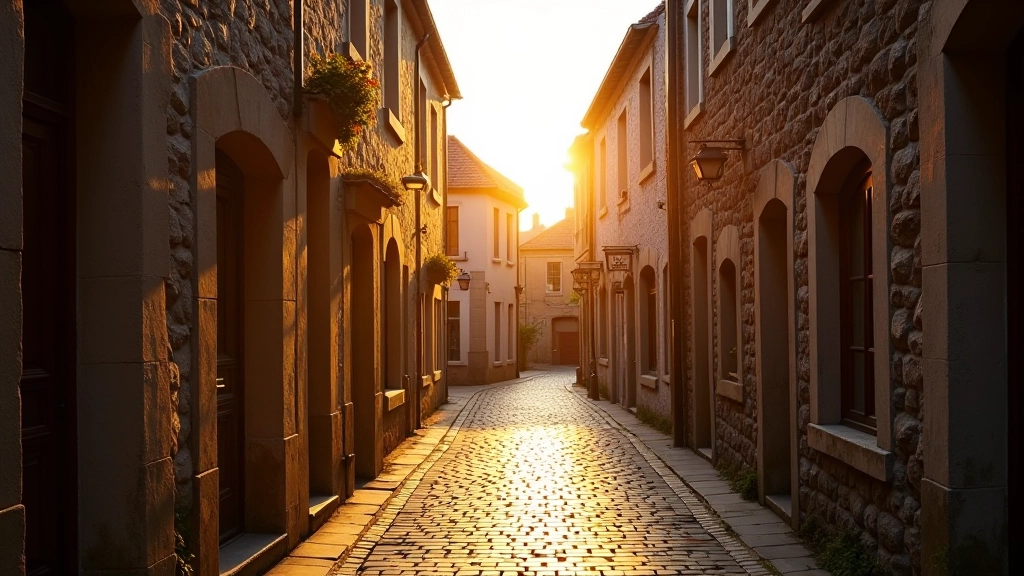
Stop in front of buildings and really look. Notice window placement, the variety of stone colors, how buildings connect at corners. Medieval architecture isn't just big structures — it's made of thousands of individual decisions by builders and craftspeople.
Visit Rothe House Museum
If you have extra time, go inside Rothe House. Seeing how the rooms connect, understanding the layout, and viewing period objects really brings the walk to life. It's not a long visit — 45 minutes is plenty — but it adds depth to what you see in the streets.
Come Back at Different Times
The light changes everything. Early morning, midday, and late afternoon each show the buildings differently. If you love photography or just want to see the area in different moods, visiting multiple times pays off.
Chat With Locals
People who live or work in the Cathedral Quarter love talking about the history. If you stop and ask a question or comment on something, you'll often get great insights that aren't in any guide. Locals know stories that didn't make it into books.
Written by
Kilkenny Heritage Editorial Team
Editorial Team
Written by the Kilkenny Heritage editorial team, focused on clear, honest guides to medieval walks and senior-friendly heritage routes.
What Makes This Walk Special
The Cathedral Quarter walk isn't about ticking off tourist attractions. It's about understanding how a medieval city actually functioned — where people worked, where they prayed, how they moved through their daily lives. When you walk these streets, you're following routes that have been used for centuries.
Kilkenny's medieval character survived better here than in many other Irish cities. Most of the buildings you see were built between the 13th and 17th centuries. That's not common. You're literally walking through time in a way that feels real and tangible.
Take the walk at your own pace. Stop when something catches your eye. Notice the small details. Talk to people you meet. Sit on a bench and just observe. That's how you'll understand what makes the Cathedral Quarter special — not from reading about it, but from being there and experiencing it yourself.
About This Guide
This guide is provided for informational purposes to help you explore the Cathedral Quarter at your own pace. While we've worked to ensure accuracy, building details, access, and conditions can change. Some buildings are private property — please respect boundaries and don't trespass. If you need specific accessibility information or have questions about visiting hours for museums, contact Kilkenny Tourist Information directly. Always prioritize your safety and follow local guidance while walking.
Related Heritage Walks
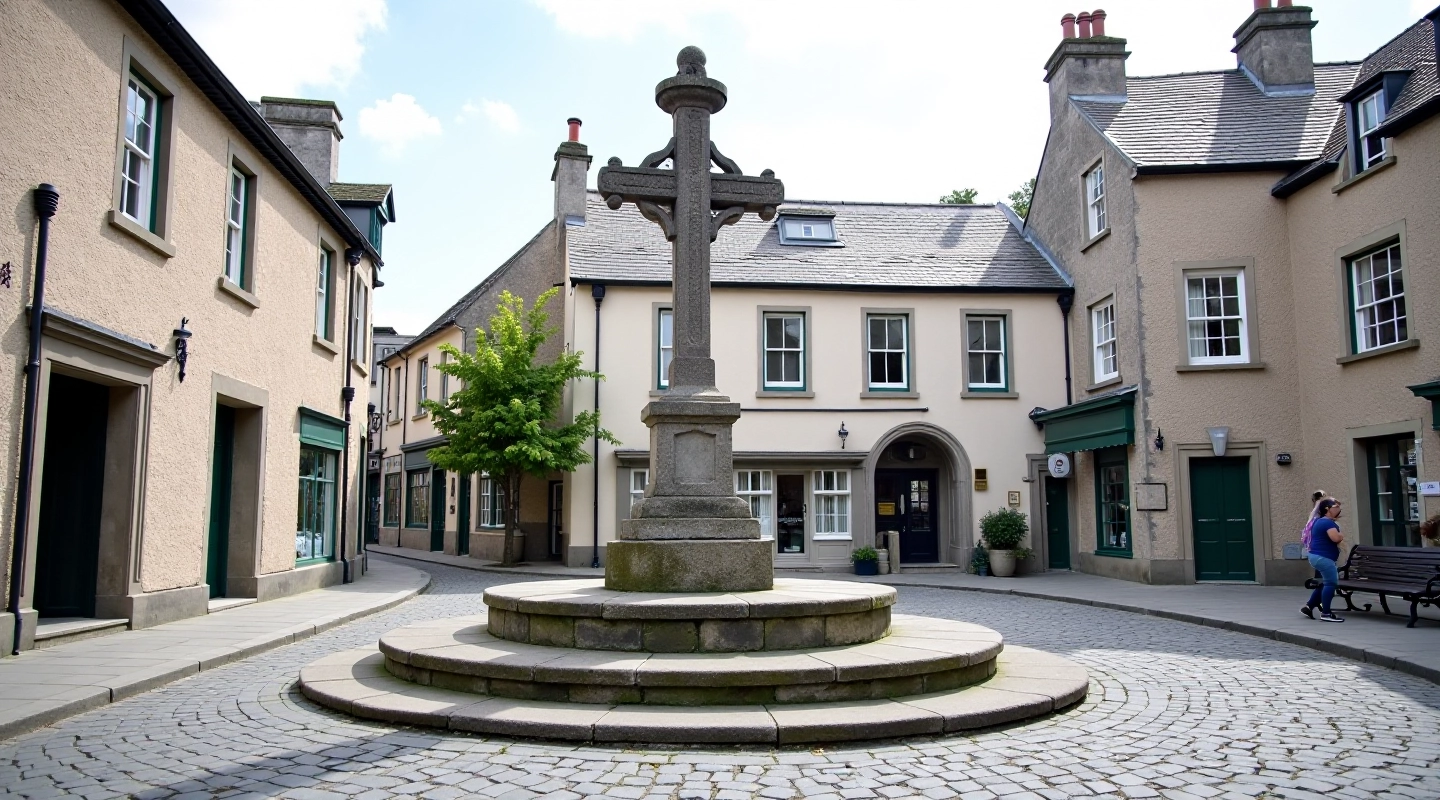
Market Cross to Medieval Mile Loop
A 2km gentle circuit starting at the Market Cross, passing through the heart of medieval Kilkenny with clear views of how the city was structured.
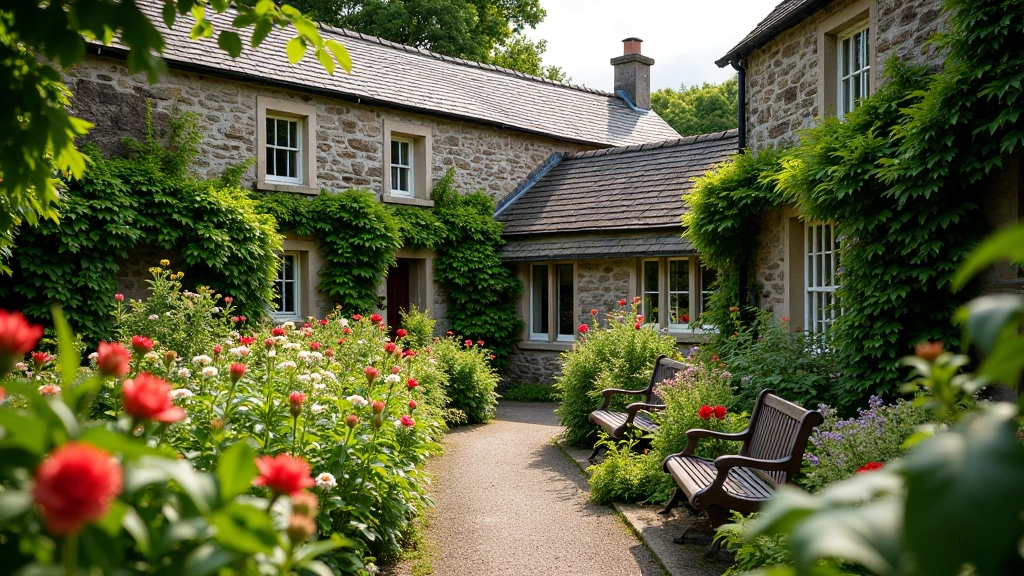
Rothe House Garden Ramble
Discover the peaceful gardens at Rothe House, one of Kilkenny's finest Tudor merchant buildings, with a gentle ramble through period features.
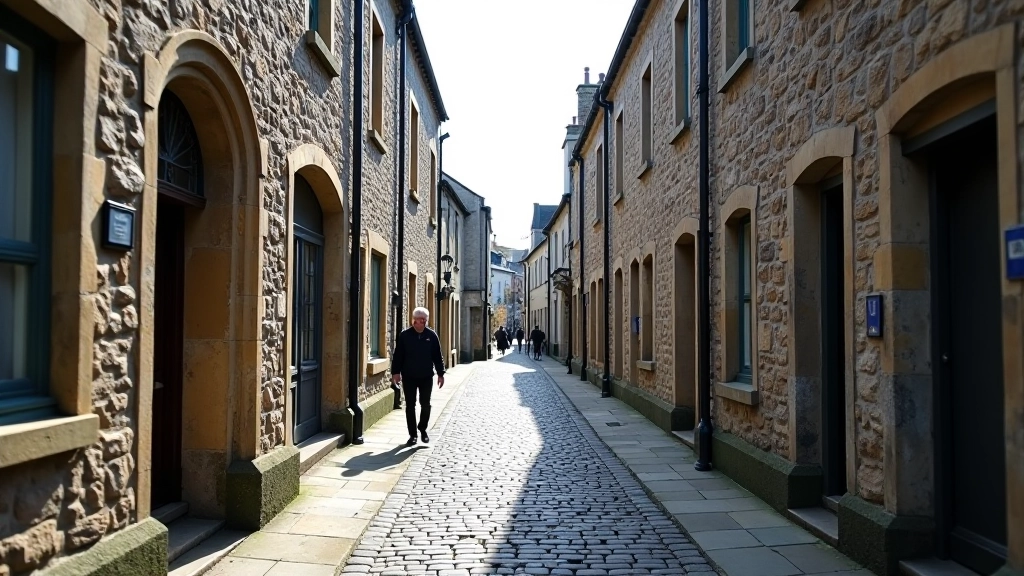
Hidden Lanes Heritage Walk
Explore interconnected medieval laneways and discover hidden courtyards, original buildings, and viewpoints that reveal Kilkenny's authentic medieval character.